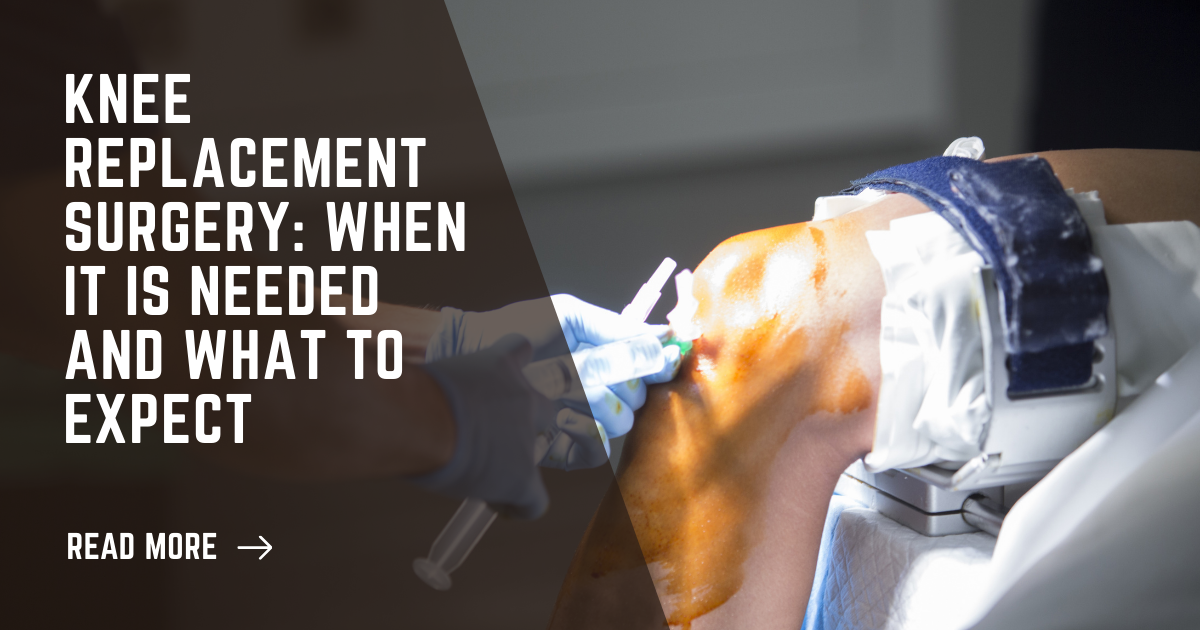
Dr Chintan Patel, knee replacement surgeon at Sanjeevani Healthcare, Ghatkopar West Mumbai, has performed over 2,000 joint replacements across Mumbai's leading hospitals. Knee pain that starts as occasional discomfort can gradually progress to a point where daily activities become difficult. Walking short distances, climbing stairs, standing for long periods, or even getting up from a chair may begin to cause significant pain. When knee problems persist despite treatment and start affecting independence and quality of life, knee replacement surgery in Mumbai is often discussed as a possible option.
For patients living in Ghatkopar and nearby areas of Mumbai, understanding when knee replacement surgery is actually required and what the process involves can help reduce anxiety and support informed decision making.
Understanding Knee Replacement Surgery
Knee replacement surgery is a procedure designed to relieve pain and restore movement in a damaged knee joint. It involves replacing worn or damaged joint surfaces with artificial components that allow smoother movement and improved function.
The knee joint is formed by the thigh bone, shin bone, and kneecap, all covered by cartilage that helps the joint move smoothly. When this cartilage wears away or becomes damaged, movement can become painful and restricted. Knee replacement surgery addresses this problem by resurfacing the affected parts of the joint.
The goal of the surgery is not only pain relief but also improved stability and the ability to return to everyday activities with greater comfort.
When Knee Replacement Surgery Is Considered
Knee replacement is not recommended for every person with knee pain. It is usually considered only after non surgical treatments no longer provide adequate relief.
Surgery may be discussed when knee pain:
-
Persists for several months or years
-
Interferes with walking, stair climbing, or daily activities
-
Causes stiffness that limits joint movement
-
Affects sleep or overall quality of life
-
Does not improve with physiotherapy, medications, or injections
The decision is based on a combination of symptoms, physical examination findings, imaging results, and the impact of knee pain on daily life.
Conditions That May Lead to Knee Replacement
One of the most common reasons for knee replacement surgery is progressive joint degeneration. Over time, cartilage loss can lead to pain, stiffness, swelling, and reduced movement.
Previous knee injuries, joint deformities, or long standing stress on the joint can also contribute to worsening knee function. In some cases, earlier injuries may accelerate joint damage, leading to symptoms at a younger age.
Not every knee condition requires replacement surgery, and careful evaluation by a knee specialist in Ghatkopar is essential to determine whether surgery is appropriate.
Types of Knee Replacement Procedures
Knee replacement surgery is not the same for every patient. The type of procedure depends on the extent and location of joint damage.
Some patients may be suitable for partial knee replacement, where only the damaged portion of the joint is treated. Others may require total knee replacement, in which all major joint surfaces are resurfaced.
Factors such as joint alignment, activity level, age, and overall health play a role in determining the most appropriate approach.
What the Surgical Process Involves
Before surgery, detailed assessment and planning are carried out to understand the structure and alignment of the knee. During the procedure, damaged cartilage and bone surfaces are carefully prepared, and artificial components are placed to recreate natural joint movement.
Modern surgical techniques focus on preserving surrounding tissues while ensuring proper joint alignment and stability. The surgery is performed in a hospital setting with appropriate anesthesia and monitoring to ensure patient safety.
Recovery After Knee Replacement Surgery
Recovery is a critical part of knee replacement surgery and plays a major role in overall outcomes. Most patients begin gentle movement and physiotherapy soon after the procedure.
In the early weeks, the focus is on reducing pain and swelling, improving knee movement, and gradually increasing strength. Walking aids may be used temporarily as balance and confidence improve.
As recovery progresses, structured physiotherapy helps restore mobility and supports a return to routine daily activities. Recovery timelines vary between individuals, but consistent rehabilitation is essential for good results.
What to Expect After Surgery
Knee replacement surgery is designed to reduce pain and improve function. Many patients experience significant improvement in their ability to walk, climb stairs, and perform daily tasks.
However, it is important to have realistic expectations. The artificial joint is intended to support normal daily activities rather than high impact or strenuous movements. Understanding these limitations helps protect the joint and maintain long term function.
Role of Modern Surgical Technology
Advances in orthopedic care have improved the precision and predictability of knee replacement surgery. Modern imaging, planning tools, and surgical techniques allow better joint alignment and balance.
In selected cases, robotic-assisted knee replacement surgery in Mumbai may be used to support surgical planning and execution. While not required for every patient, such technology reflects a shift toward more personalized joint replacement care.
Importance of Rehabilitation and Follow Up
Successful knee replacement outcomes depend on more than the surgery itself. Post operative care, physiotherapy, and regular follow up all play an important role in recovery.
Patients benefit from clear guidance on exercises, activity progression, and joint care. Follow up visits allow progress to be monitored and any concerns to be addressed during recovery.
Accessibility of Care in Mumbai
For patients in Mumbai, particularly those living in Ghatkopar, access to follow up care and rehabilitation services is an important consideration. Knee replacement recovery involves multiple stages, and continuity of care supports better long term outcomes.
Choosing an orthopedic doctor in Ghatkopar allows convenient follow up helps ensure recovery stays on track.
Dr. Chintan Patel is a Robotic Orthopedic Surgeon and Hip and Knee Specialist in Ghatkopar, Mumbai, who evaluates knee conditions and guides patients through both non surgical and surgical treatment options, including knee replacement surgery.
Frequently Asked Questions (FAQs):
Q1: How do I know if I need knee replacement surgery in Mumbai?
Surgery is usually considered when knee pain has lasted several months, affects daily activities like walking, climbing stairs or standing, and has not improved with physiotherapy, medications, or injections. Dr Chintan Patel evaluates each patient individually at Sanjeevani Healthcare, Ghatkopar West, to determine whether surgery is truly required.
Q2: What is the difference between total and partial knee replacement?
Total knee replacement resurfaces all three compartments of the knee joint. Partial knee replacement treats only the damaged section, preserving healthy tissue. The right choice depends on the extent of cartilage damage, knee alignment, age, and activity level assessed during consultation.
Q3: How long does knee replacement surgery take and what is the hospital stay?
The procedure typically takes 1.5 to 2 hours. Most patients stay in hospital for 3 to 5 days. Walking begins on the same day or the next day with support. Physiotherapy starts early and continues for 6 to 8 weeks after discharge.
Q4: How long is recovery after knee replacement surgery?
Most patients return to light daily activities within 4 to 6 weeks. Full recovery including stair climbing and independent walking typically takes 3 to 6 months. Recovery depends on fitness, age, and consistency with physiotherapy which Dr Chintan Patel's team guides throughout.
Q5: Is robotic knee replacement better than traditional surgery?
Robotic assistance improves the precision of implant placement using a 3D plan created from pre-surgery scans. It does not replace the surgeon, it guides them. Dr Chintan Patel is certified in robotic knee replacement using STRYKER MAKO and VELYS. Read more about robotic vs traditional knee replacement.
Q6: How long does a knee replacement implant last?
Modern implants last 15 to 20 years in most patients. Longevity depends on implant quality, surgical precision, body weight, and activity levels. Avoiding high-impact activities protects the implant and extends its life.
Q7: Where can I get knee replacement surgery in Ghatkopar, Mumbai?
Dr Chintan Patel performs knee replacement surgery at Sanjeevani Healthcare, Ghatkopar West, and other leading Mumbai hospitals including Hiranandani, Wockhardt, Breach Candy, Zynova Shalby, and CritiCare Asia. Book a consultation by calling +917977335263 or visiting the contact page.