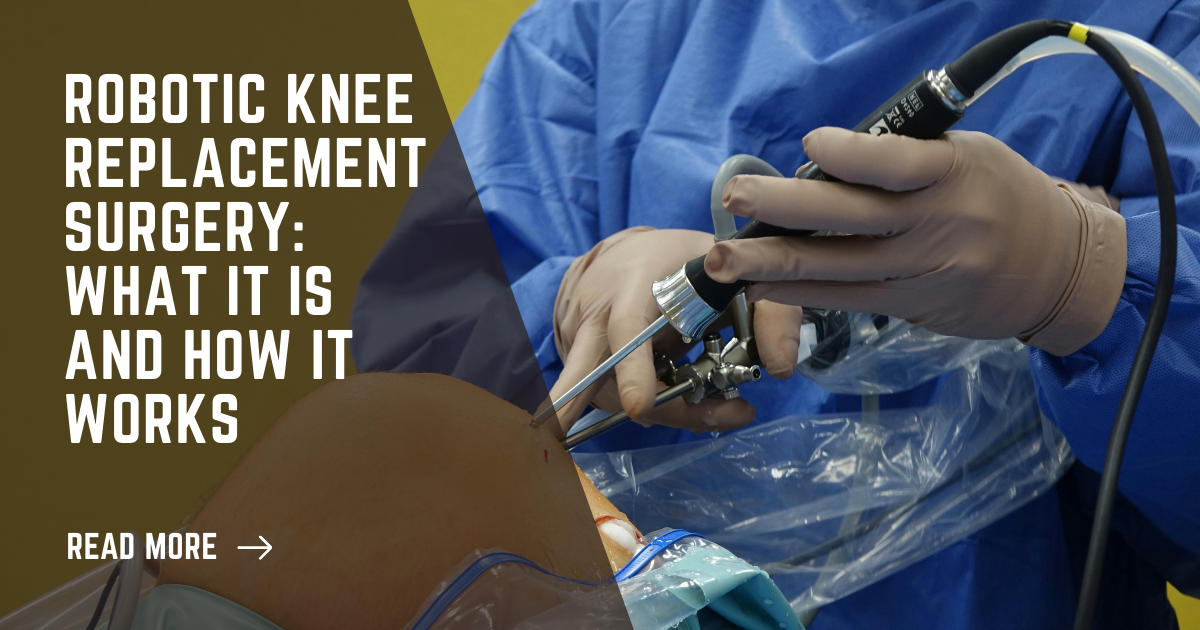
Knee replacement surgery has helped many people regain mobility and reduce chronic pain, but advances in technology have changed how these procedures are planned and performed. One of the most significant developments in recent years is robotic knee replacement surgery. One of the most important developments in modern orthopedics is robotic knee replacement surgery.
Dr Chintan Patel is a robotic orthopedic surgeon at Sanjeevani Healthcare, Ghatkopar West, Mumbai, specialising in robotic knee and hip replacement surgery. This article explains what robotic knee replacement involves, how it works, and whether it may be right for you.
For patients in Mumbai, especially those living in Ghatkopar and nearby areas, understanding what robotic knee replacement surgery involves and how it works can help them make informed decisions when exploring treatment options for long standing knee pain.
What Is Robotic Knee Replacement Surgery?
Robotic knee replacement surgery does not mean that a robot performs the surgery independently. The procedure is entirely surgeon controlled, with robotic assistance used as a tool to enhance planning and accuracy.
Before surgery, detailed imaging of the knee is used to create a three-dimensional model of the joint. This allows the surgeon to study the patient’s individual anatomy, joint alignment, and movement patterns. Using this information, a personalized surgical plan is developed.
During the operation, the robotic system provides real time guidance, helping the surgeon follow the plan with a high level of precision while preparing the joint and placing the artificial components.
How Robotic Assistance Improves Surgical Accuracy
Every knee is unique, and small differences in anatomy or alignment can affect how a joint functions after surgery. Robotic assistance allows these variations to be taken into account during surgical planning.
The system provides continuous feedback during the procedure, helping ensure that bone preparation and implant placement are carried out exactly as planned. This level of accuracy supports proper joint alignment and balance, which are important for smooth movement and long term function.
The surgeon remains in full control throughout the procedure, using the robotic system to guide precise movements rather than relying solely on standard instruments.
How the Surgical Process Is Planned
One of the key advantages of robotic knee replacement surgery in Mumbai is the level of pre operative planning involved. Imaging studies are used to assess the condition of the knee joint in detail.
This planning phase allows the surgeon to determine the ideal size, position, and orientation of the implant before entering the operating room. Adjustments can also be made during surgery based on how the knee moves, allowing the plan to be refined in real time.
This personalized approach helps address individual joint mechanics rather than relying on generalized measurements.
What Happens During Robotic Knee Replacement Surgery?
The overall steps of robotic knee replacement surgery are similar to traditional knee replacement, but with additional guidance from the robotic system.
After anesthesia is administered, the surgeon prepares the knee joint and uses the robotic interface to follow the planned cuts and placements. The system provides visual and tactile feedback, helping ensure controlled and accurate execution.
Once the artificial components are placed, the joint is tested for stability and movement before closing the surgical site. The procedure is performed in a hospital setting with appropriate monitoring and safety protocols.
Recovery After Robotic Knee Replacement Surgery
Recovery after robotic knee replacement surgery depends on several factors, including overall health, adherence to physiotherapy, and the extent of joint damage prior to surgery.
Most patients begin gentle movement and physiotherapy shortly after the procedure. Early rehabilitation focuses on reducing pain and swelling, improving range of motion, and gradually restoring strength.
Walking aids may be used initially, with progression based on comfort and stability. Consistent rehabilitation plays a key role in achieving good outcomes, regardless of the surgical technique used.
Expectations From Robotic Knee Replacement
The primary goals of robotic knee replacement surgery are pain relief, improved mobility, and better joint function. Many patients experience improved confidence while walking and performing daily activities such as climbing stairs.
It is important to understand that recovery takes time and effort. While robotic assistance may contribute to more predictable alignment, long term success also depends on rehabilitation, activity modification, and joint care.
High impact activities are generally discouraged to protect the artificial joint and prolong its lifespan.
Who May Be Considered for Robotic Knee Replacement
Robotic knee replacement surgery may be considered for patients with significant knee joint damage who have not found relief with non surgical treatments.
Suitability depends on factors such as joint condition, knee alignment, overall health, and treatment goals. A detailed evaluation by a knee specialist in Ghatkopar helps determine whether robotic assistance is appropriate for an individual patient.
Not every patient requires robotic surgery, and the decision should be made after understanding all available options.
Role of Technology in Modern Orthopedic Care
Robotic assisted surgery represents a broader shift toward technology driven orthopedic care. Advances in imaging, planning software, and surgical tools have expanded the ability to deliver personalized treatment.
Technology does not replace surgical skill, but it enhances the surgeon’s ability to plan and execute complex procedures with greater confidence and consistency.
Importance of Follow Up and Rehabilitation
Successful outcomes depend on structured follow up and rehabilitation after surgery. Physiotherapy helps restore movement, improve strength, and support a safe return to daily activities.
Regular follow up visits allow progress to be monitored and concerns to be addressed during recovery. Clear guidance on activity progression and joint care helps patients protect their new joint over time.
Access to Robotic Knee Replacement Care in Mumbai
For patients in Mumbai, particularly those living in Ghatkopar, access to follow up care and rehabilitation services is an important consideration. Robotic knee replacement recovery involves multiple stages, and continuity of care supports better long term outcomes.
Choosing care that allows convenient follow up helps ensure recovery remains on track.
Dr. Chintan Patel is a Robotic Orthopedic Surgeon and Hip and Knee Specialist in Ghatkopar, Mumbai, who evaluates knee conditions and performs robotic knee replacement surgery as part of comprehensive, patient-focused knee care.
Frequently Asked Questions (FAQs):
Q1: What is robotic knee replacement surgery in simple terms?
The surgeon uses a 3D model of your specific knee created from pre-surgery scans to plan the exact position of the implant. During surgery, the robotic system guides the surgeon to follow that plan with millimetre accuracy. The robot does not operate independently your surgeon is in control at every step.
Q2: How is robotic knee replacement different from traditional knee replacement?
In traditional surgery, implant placement relies on the surgeon's experience and standard instruments. With robotic assistance, a personalised 3D plan is created before surgery and the system provides real-time guidance during the procedure. This means more consistent alignment, less tissue damage, and a recovery that often feels smoother and more stable.
Q3: Who is a good candidate for robotic knee replacement surgery?
Patients with severe arthritis, long-standing knee pain, or those who have not improved with physiotherapy, injections, or medications are typically considered. Age, overall health, and knee alignment are all evaluated. Dr Chintan Patel assesses each patient individually at Sanjeevani Healthcare, Ghatkopar.
Q4: What is the recovery time after robotic knee replacement?
Most patients begin walking on the same day or the next day. Hospital stay is typically 2-3 days. Physiotherapy starts early and continues for 6-8 weeks. Most patients return to daily activities including stair climbing within 4-6 weeks, with full recovery at 3-6 months depending on fitness and rehabilitation.
Q5: Is robotic knee replacement surgery available in Mumbai?
Yes. Dr Chintan Patel performs robotic knee replacement surgery at Sanjeevani Healthcare, Ghatkopar West, Mumbai serving patients from Ghatkopar, Vikhroli, Powai, Chembur and surrounding areas.
Q6: Is robotic knee replacement more expensive than traditional surgery?
The cost is slightly higher due to the technology involved. However, most major insurance providers cover robotic knee replacement. The benefit is greater precision, potentially fewer complications, and a smoother recovery which many patients consider worthwhile. Contact the clinic for current pricing.
Q7: How do I book a robotic knee replacement consultation with Dr Chintan Patel in Ghatkopar?
You can book a consultation by calling the clinic directly or visiting the contact page at docchintanpatel.com. Sanjeevani Healthcare is located in Ghatkopar West, Mumbai, with easy access for patients across the eastern suburbs.