Rest and Activity Modification
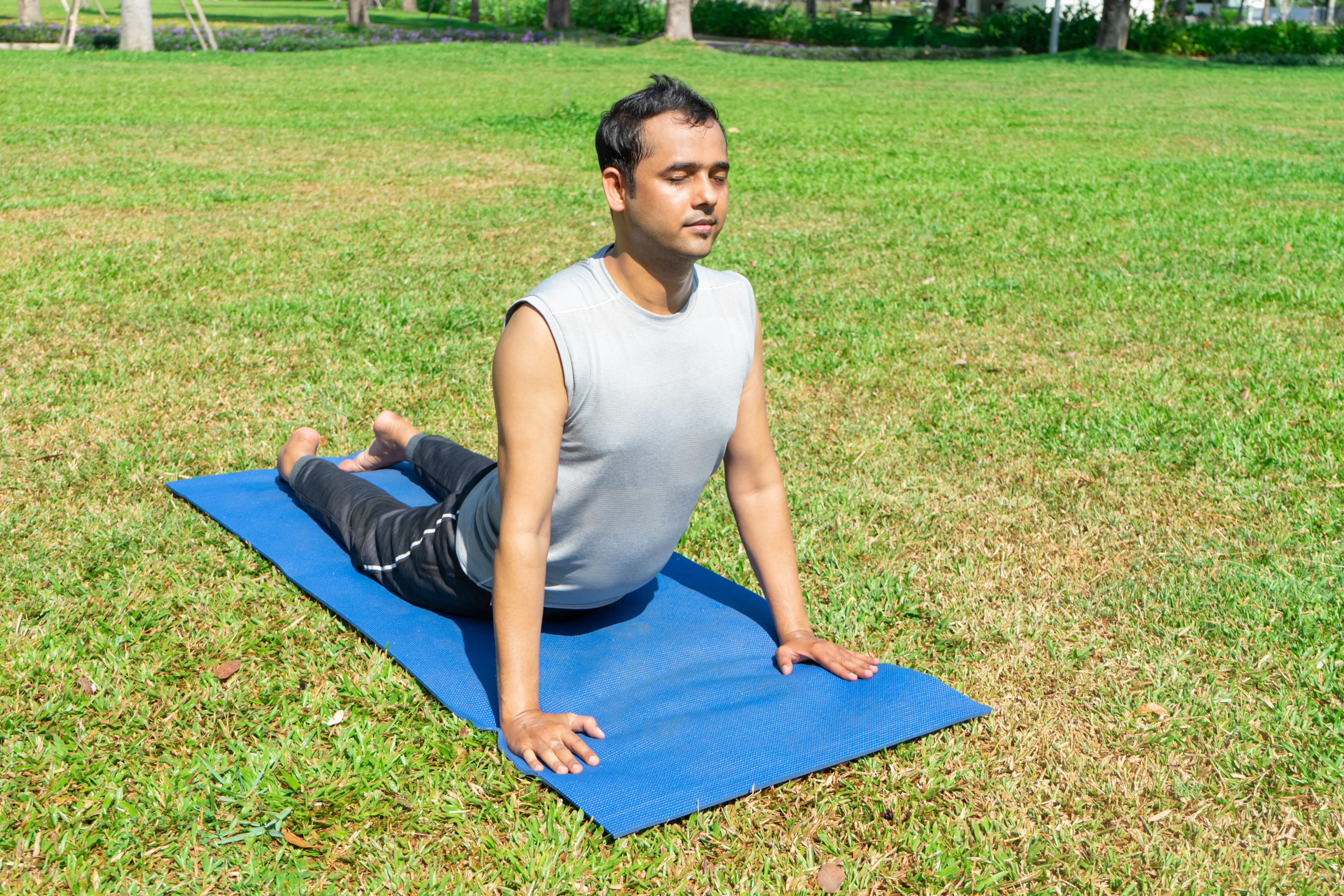
Reducing or pausing activities that strain the injured ligament helps control pain and prevent further damage. Activity modification includes avoiding high-impact movements, practicing proper warm-up routines, and gradually resuming sports after recovery. This step is essential for preventing long-term instability.
RICE/ICE Protocol (Rest, Ice, Compression, Elevation)
This protocol helps control pain and inflammation in the early phase of injury. Ice reduces swelling, compression supports the joint, and elevation improves circulation and healing. Following these steps in the first 48 to 72 hours can significantly improve recovery outcomes.
Physical Therapy and Rehabilitation
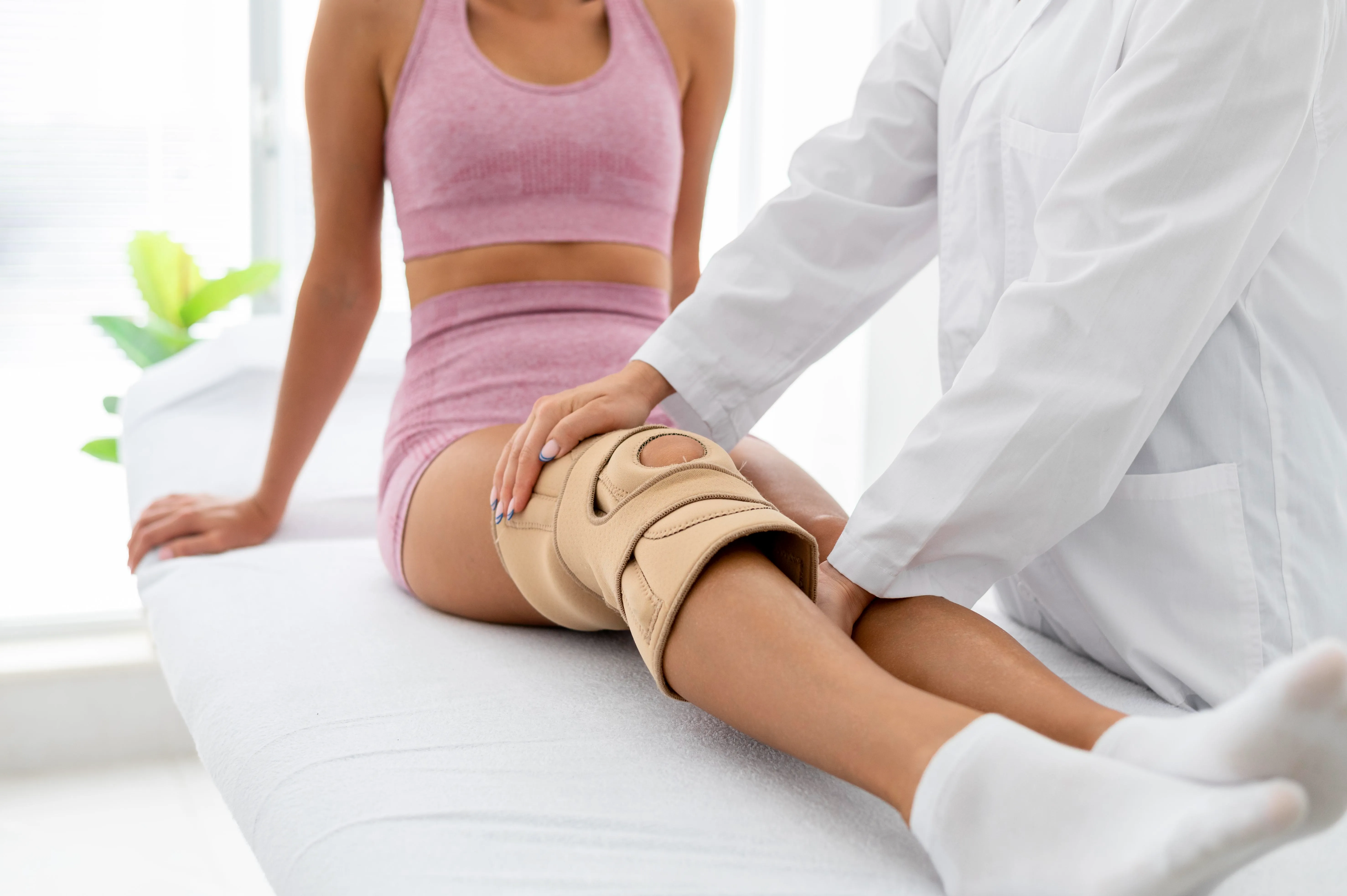
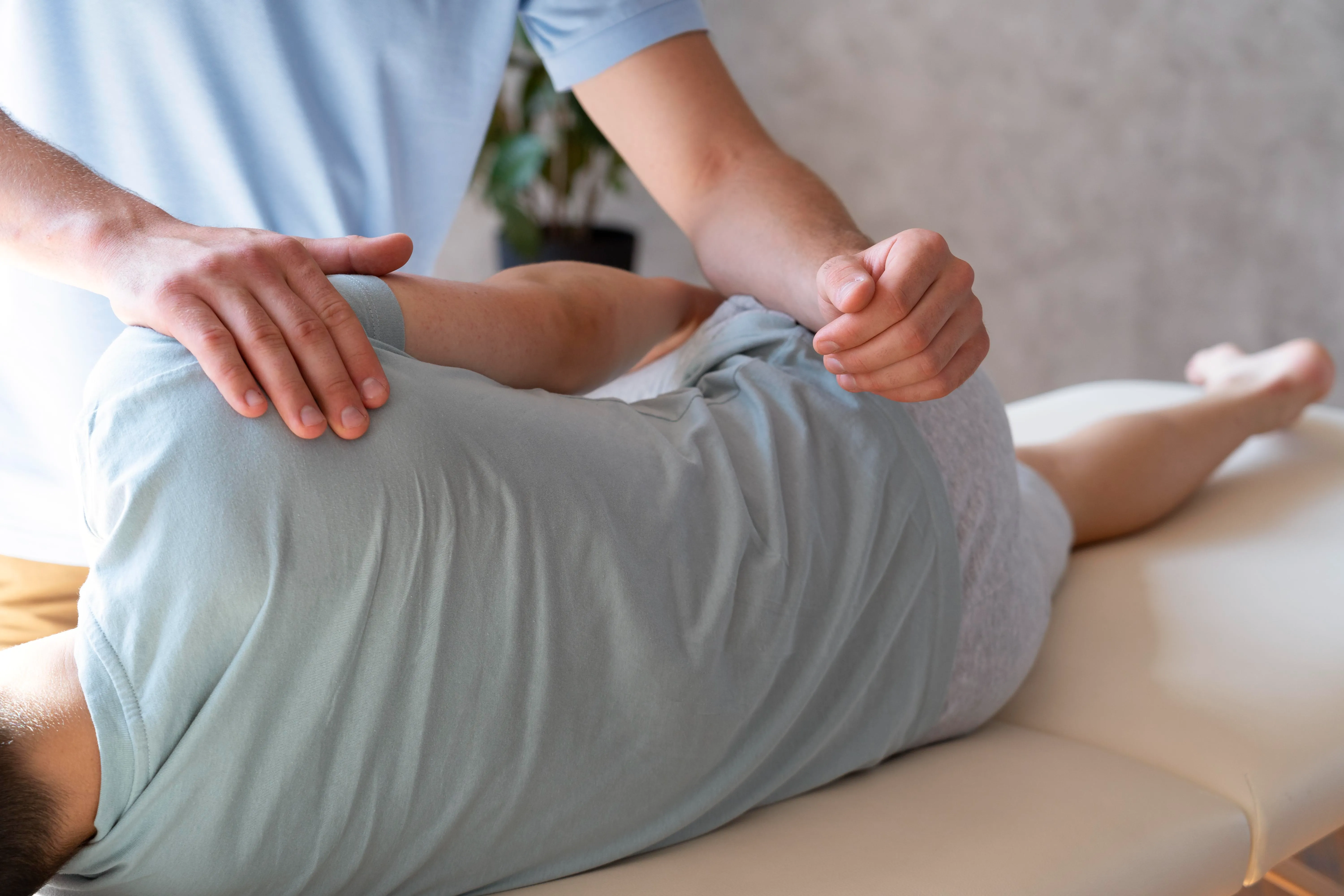
A structured rehabilitation plan strengthens the muscles surrounding the injured ligament, restores joint stability, improves balance, and prevents future injuries. Therapy includes stretching, strengthening, proprioception training, and sport-specific exercises tailored to each athlete’s needs.
Medications
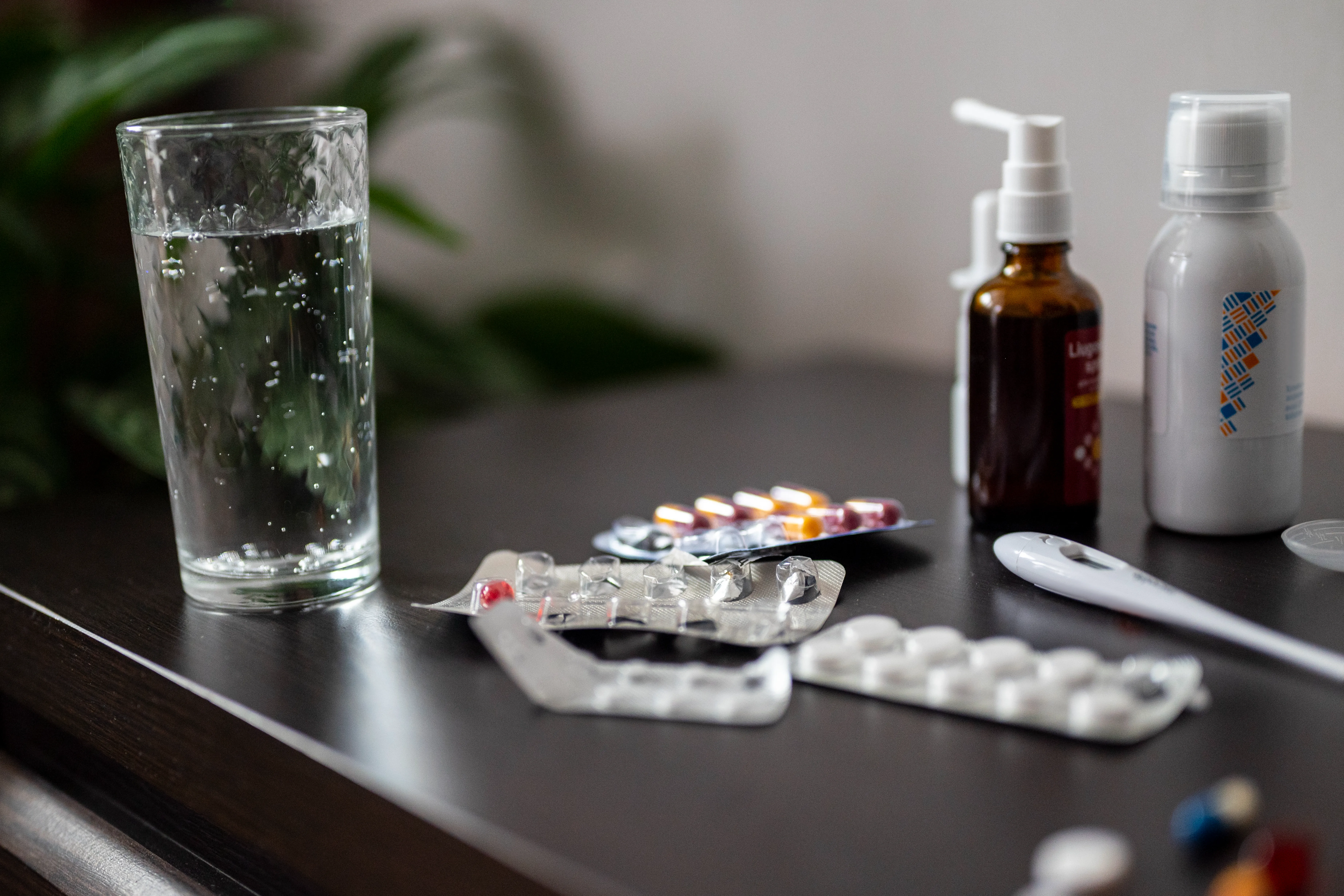
Non-steroidal anti-inflammatory drugs may be used to reduce pain and swelling. These medications help athletes return to daily activities comfortably. They should be taken under medical supervision to avoid side effects.