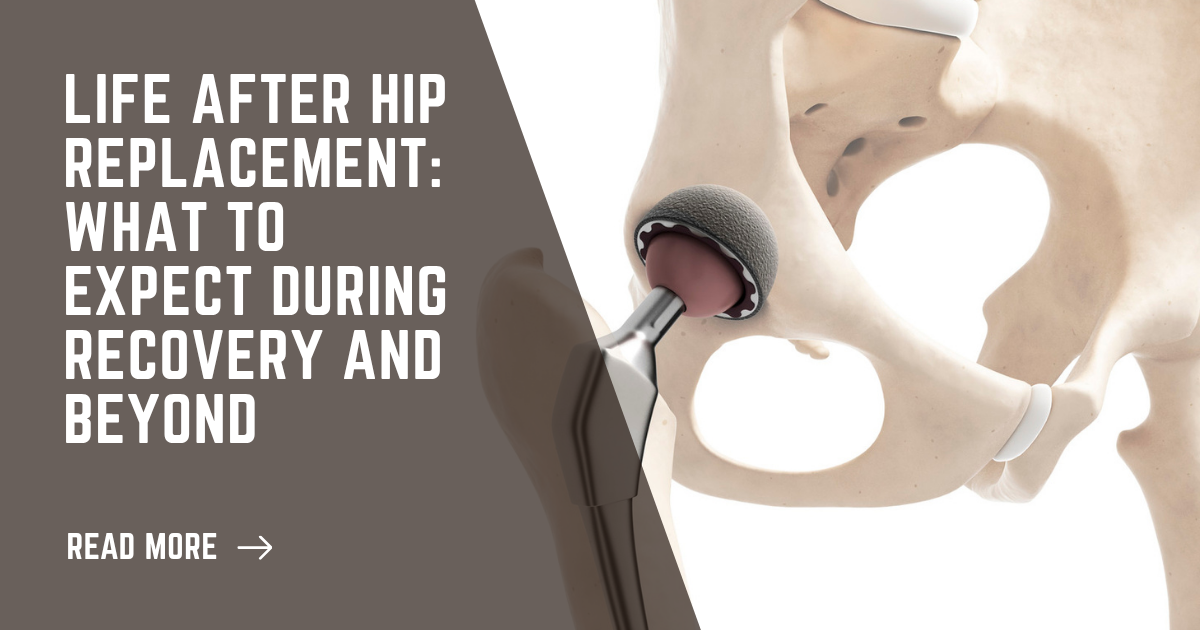
Hip replacement surgery is often seen as the end of a long journey with hip pain, but in many ways, it marks the beginning of a new chapter.
Once the initial recovery is underway, attention gradually shifts from the surgery itself to everyday life. Simple moments that were once taken for granted - walking through the park, travelling to visit family, getting back to work, attending social gatherings, or enjoying a favourite hobby become meaningful milestones.
It is also the stage when practical questions begin to arise.
Can everyday activities be resumed comfortably? Is travelling possible again? What kind of exercise is suitable? Are there any movements that should be approached with more care?
These are all common questions after hip replacement, and the answers are not always the same for everyone. Recovery is a gradual process, and understanding what to expect can help patients return to their daily routine with greater confidence.
Rather than focusing only on what should or should not be done, it is more helpful to understand how to adapt to everyday life while continuing to care for your new hip.
Recovery Is More Than Healing
The first stage after surgery is usually centred around healing and gradually becoming more comfortable with everyday movement. As this phase progresses, most people begin looking beyond recovery and towards returning to the lifestyle they enjoy.
For some, that may mean walking without constantly thinking about hip pain. For others, it could be travelling, spending time with family, managing household responsibilities, or returning to work.
Every recovery journey is unique. Some people feel ready to resume their routine sooner, while others prefer to take things one step at a time.
Rather than comparing your progress with someone else's experience, it is more helpful to focus on your own recovery and celebrate the improvements you notice along the way.
Returning to Everyday Activities
One of the biggest goals after hip replacement is regaining confidence in everyday movement.
Activities that may have become difficult because of hip pain often begin to feel more manageable as recovery continues. Simple routines such as shopping, preparing meals, meeting friends, attending family functions, or taking a short walk can gradually become part of everyday life again.
Returning to these activities is not about reaching a particular milestone quickly. It is about allowing yourself time to recover while becoming more comfortable with movement.
Listening to your body and following the advice provided during your follow-up appointments can help you return to your routine at a pace that feels right for you.
Returning to Work
For many people, returning to work is an important step towards feeling independent again.
The timing depends on several factors, including the type of work you do and how your recovery is progressing.
Some people may feel comfortable returning to office-based work sooner, while others whose jobs involve more physical activity may need additional time before resuming their regular responsibilities.
Discussing your work routine during follow-up appointments can help you understand when it may be appropriate to return and whether any temporary adjustments are needed.
The aim is not simply to return to work as quickly as possible but to do so comfortably and with confidence.
Staying Active After Hip Replacement
Being active plays an important role in maintaining overall health and wellbeing.
One of the most common concerns patients have is whether they will be able to enjoy an active lifestyle again after surgery.
For many people, hip replacement provides an opportunity to return to activities that had gradually become difficult because of ongoing hip pain.
Walking, spending time outdoors, participating in recreational activities, or simply keeping up with everyday routines can all contribute to a more active lifestyle.
If you have specific fitness goals or hobbies that you would like to return to, discussing them during your follow-up appointments can help you understand what may be most suitable for your individual situation.
Rather than comparing yourself with others, focus on gradually building confidence and enjoying movement at your own pace.
Travelling After Hip Replacement
Whether it is a family holiday, a business trip, or visiting loved ones, travelling is often one of the first activities people look forward to after recovery.
The right time to travel varies from person to person and depends on individual progress.
If you are planning a journey, discussing your travel plans during your follow-up appointments can help you prepare with greater confidence.
Many patients are able to enjoy travelling again as they recover, making it easier to return to the activities and experiences that matter most to them.
Everyday Comfort Matters
Life after hip replacement is not measured only by medical milestones. It is also about the everyday moments that improve with time.
Being able to walk through the neighbourhood, spend time with grandchildren, attend celebrations, enjoy a meal with family, or simply move around the house more comfortably often makes a meaningful difference to quality of life.
These small achievements gradually build confidence and remind patients how far they have come since the early days of recovery.
The journey is different for everyone, but with patience and the right guidance, many people are able to return to a lifestyle that feels active, comfortable, and fulfilling.
Returning to Work and Social Life
One of the biggest milestones after hip replacement is getting back to everyday life.
For many people, this means returning to work, spending time with family, meeting friends, or enjoying hobbies that had become difficult because of hip pain.
The timing of returning to different activities varies from person to person. Some people feel ready sooner, while others prefer to take things gradually.
The important thing is not how quickly you return, but how comfortably you are able to do so.
If your work involves long hours of standing, lifting, or other physically demanding activities, discussing your routine with your orthopaedic surgeon can help you plan a safe and comfortable return.
For people with desk-based jobs, the conversation may focus on gradually resuming their normal work schedule while continuing their recovery.
The aim is always to help patients regain confidence in their daily routine while respecting their individual recovery.
Enjoying Exercise and Recreation Again
Many patients wonder whether they will be able to enjoy exercise again after hip replacement.
For many people, becoming active again is one of the main reasons for choosing surgery. Walking comfortably, spending time outdoors, or participating in recreational activities often becomes easier as recovery progresses.
The type of activity that feels suitable may differ from one person to another.
Some people enjoy regular walks, while others prefer swimming, cycling, yoga, or other low-impact activities. Others simply want to move around comfortably without pain during everyday life.
Rather than focusing on what you cannot do, it is often more helpful to focus on finding activities that keep you comfortable, confident, and active.
If you are planning to return to a particular sport or hobby, discussing it during your follow-up appointments can help you understand what may be most appropriate for your individual situation.
Building Confidence After Surgery
Recovering from hip replacement is about more than physical healing.
Many patients also need time to rebuild confidence in using their new hip.
It is completely normal to feel cautious during the early stages of returning to everyday activities.
Simple movements such as walking outdoors, climbing stairs, travelling, or spending longer periods away from home may feel different at first.
As recovery continues, many people gradually become more confident and begin trusting their movements again.
Patience plays an important role during this stage. Progress often comes through small improvements that build over time rather than one dramatic change.
Celebrating these everyday milestones can help make the recovery journey feel more positive and encouraging.
Everyday Habits That Support Recovery
Although hip replacement can improve comfort and movement, continuing to look after your overall health remains important.
Simple habits can make a meaningful difference over time.
These include:
-
Staying active within your comfort level
-
Following the advice given during your follow-up appointments
-
Paying attention to new or persistent symptoms
-
Allowing yourself time to recover without comparing your progress with others
-
Continuing to make movement a regular part of your daily routine
These habits are not only helpful during recovery but also encourage long-term confidence in everyday movement.
When Should You Seek Medical Advice?
It is natural to have questions during recovery.
While many people notice gradual improvement over time, there may be occasions when you feel unsure about a symptom or change in your recovery.
If you experience new pain, increasing discomfort, difficulty with everyday movement, or anything that concerns you, it is always sensible to contact your orthopaedic surgeon rather than trying to manage it on your own.
A follow-up appointment can provide reassurance, answer your questions, and help you understand whether any further assessment is needed.
Seeking advice early often provides peace of mind and helps patients feel more confident throughout their recovery.
Life After Hip Replacement
For many people, hip replacement marks the beginning of a new chapter rather than the end of one.
The aim is not simply to recover from surgery but to return to the activities that matter most to you.
Whether that means spending time with grandchildren, travelling, walking with friends, returning to work, or simply moving around the house more comfortably, every milestone is part of the journey.
Recovery looks different for everyone, but with the right guidance, patience, and gradual progress, many people are able to return to an active and independent lifestyle.
The focus should always be on enjoying everyday life with greater comfort and confidence while continuing to look after your overall joint health.
Consult Dr. Chintan Patel for Hip Replacement Guidance
If you have undergone hip replacement surgery or are preparing for one, understanding what to expect during recovery can help you feel more confident about returning to everyday life.
Dr. Chintan Patel is a robotic orthopaedic surgeon specialising in knee and hip replacement. He provides comprehensive orthopaedic care focused on accurate diagnosis, conservative treatment where appropriate, and advanced surgical care when required. He consults at Sanjeevani Healthcare, Ghatkopar, as well as other prominent locations in Mumbai.
Whether you have questions about recovery, returning to daily activities, or long-term joint care, an individual consultation can help you better understand the next steps based on your lifestyle and recovery.
Frequently Asked Questions
1. When can I return to my normal daily routine after hip replacement?
Recovery is different for everyone. Your orthopaedic surgeon will guide you on returning to different activities based on your progress and overall recovery.
2. Can I travel after hip replacement surgery?
Many people are able to travel again after recovery. If you have upcoming travel plans, discussing them during your follow-up appointments can help you plan with greater confidence.
3. Will I be able to exercise after hip replacement?
Many patients gradually return to regular physical activity after recovery. The type of exercise that is most suitable varies from person to person and can be discussed during your follow-up visits.
4. Is it normal to feel cautious while returning to everyday activities?
Yes. It is common to take time to rebuild confidence after surgery. As recovery progresses, many people gradually become more comfortable with their daily routine.
5. When should I contact my orthopaedic surgeon after surgery?
If you notice new symptoms, increasing discomfort, or have concerns about your recovery, it is advisable to seek medical advice rather than waiting for your next scheduled appointment.
6. Where can I consult Dr. Chintan Patel for hip replacement follow-up?
Dr. Chintan Patel consults at Sanjeevani Healthcare, Ghatkopar, as well as other prominent locations in Mumbai. If you have questions about your recovery or would like guidance on returning to everyday activities after hip replacement, an individual consultation can help you understand the next steps.