Degenerative Problems
Hip Osteoarthritis : A gradual breakdown of the cartilage covering the hip joint. It causes pain in the groin or thigh, stiffness, reduced mobility, and difficulty with daily activities.
Avascular Necrosis (AVN) : Loss of blood supply to the head of the thigh bone. This causes bone weakening, pain, and limited movement. Early detection is important to prevent collapse of the joint.
Injuries and Mechanical Problems
Labral Tears : The labrum is the ring of cartilage that stabilizes the hip socket. Tears can cause sharp groin pain, clicking, locking, or difficulty rotating the leg.
Femoroacetabular Impingement (FAI) : Extra bone growth on the hip joint causes friction during movement. This leads to groin pain, stiffness, and difficulty bending or rotating the hip.
Hip Flexor Strain : Overstretching or tearing of the hip flexor muscles. Often causes pain in the front of the hip, especially during walking or climbing stairs.
Inflammatory Conditions
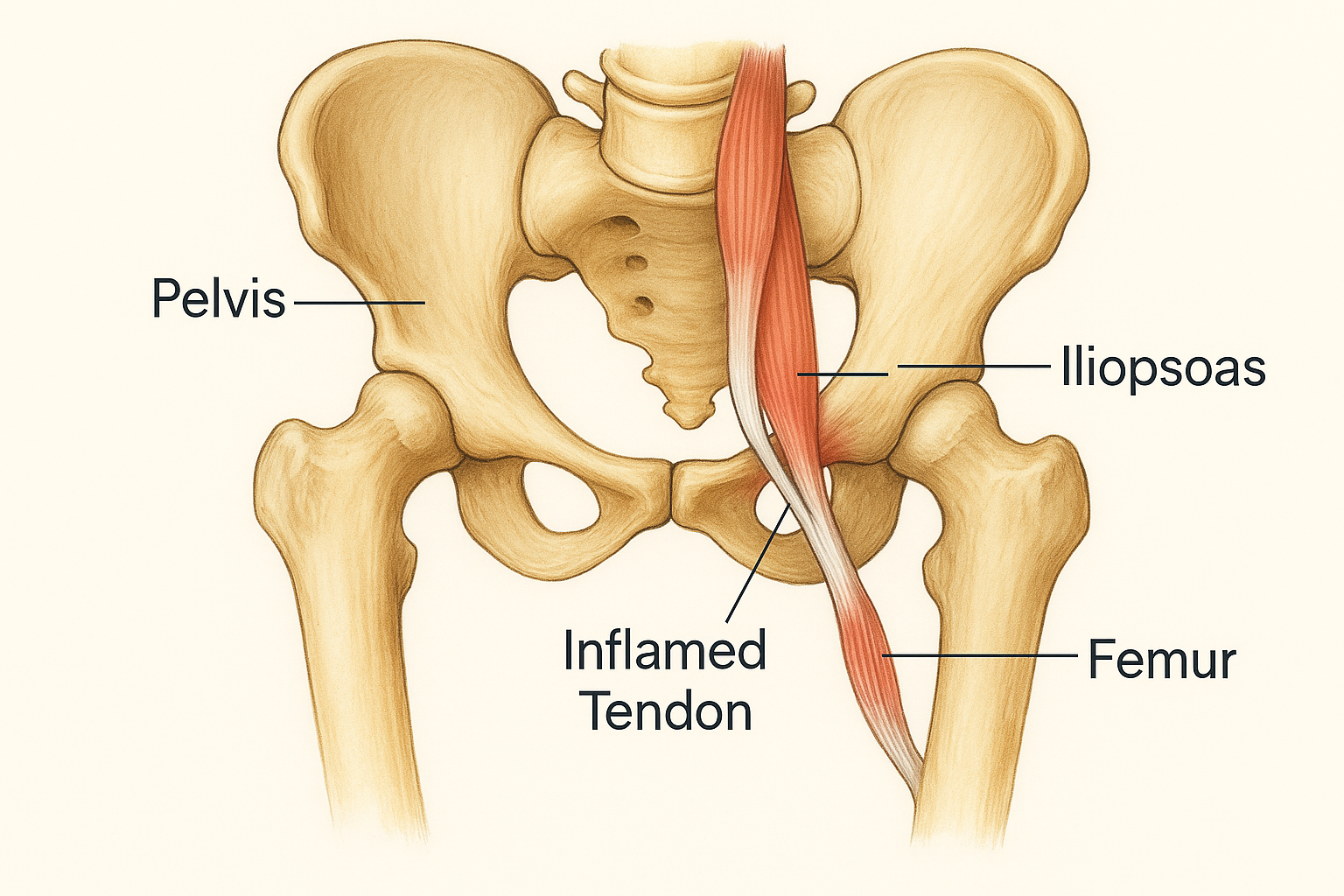
Tendinitis : Irritation of tendons around the hip due to overuse or repetitive stress. Commonly affects the groin or outer hip area.
Trochanteric Bursitis : Inflammation of the bursa on the outer side of the hip. Causes sharp or aching pain when lying on the affected side or walking long distances.
Trauma and Urgent Issues
Hip Fractures : Breaks in the upper thigh bone, often due to falls or accidents. Common in older adults and require immediate treatment.
Hip Dislocation : Occurs when the thigh bone slips out of the hip socket, usually due to high-impact injuries. This is an emergency condition.