
Early Diagnosis Matters
Identifying hip problems early prevents long-term joint damage. Early care is often enough to avoid surgical treatment.
Strengthening Programs
Regular physiotherapy improves hip muscle strength and support, reducing stress on the joint.


Weight and Lifestyle Strategies
Maintaining a healthy weight, improving posture, and choosing joint-friendly activities protect the hip from excessive strain.
Activity Modification
Avoiding deep squats, high-impact exercises, and repetitive twisting can prevent symptoms from worsening.

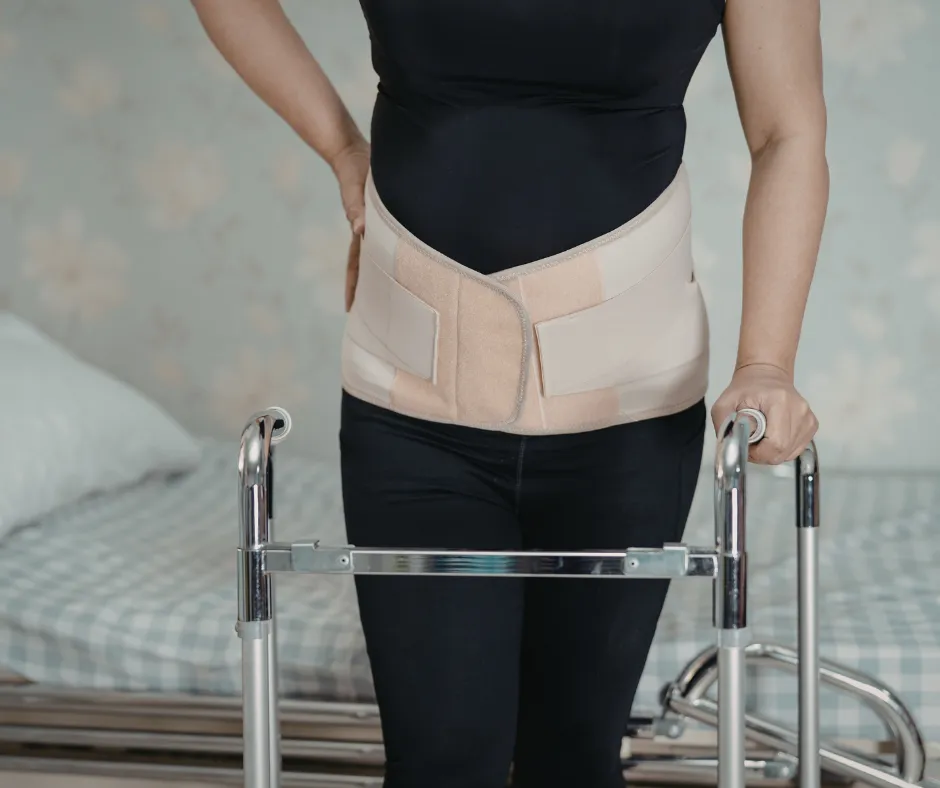
Injections and Bracing Options
Targeted injections and supportive devices can reduce pain and inflammation, helping patients manage symptoms without surgery.
When Surgery Becomes Necessary
When hip pain affects daily tasks, mobility, or sleep, or when the joint continues to deteriorate, surgery may become the safest and most effective option.